
When people picture an art critic, they often imagine someone steeped in art history from childhood, navigating an exclusive, insular world. But Tabish Khan’s journey into the arts was far from conventional. Graduating as a Biomedical Scientist and moving from a fifteen-year career as an energy policy professional to becoming one of London’s most prominent art critics, Tabish brings a refreshingly candid, accessible, and grounded perspective to a discipline that too often feels out of reach. Driven by a mission to break down the elitist barriers surrounding galleries, navigate the real-world burnout of viewing over a thousand exhibitions a year, and advocate for greater background and economic diversity within art writing, Tabish chats with me to share what it truly means to be a critic in today's landscape, and why art, much like cinema, really is for everyone.
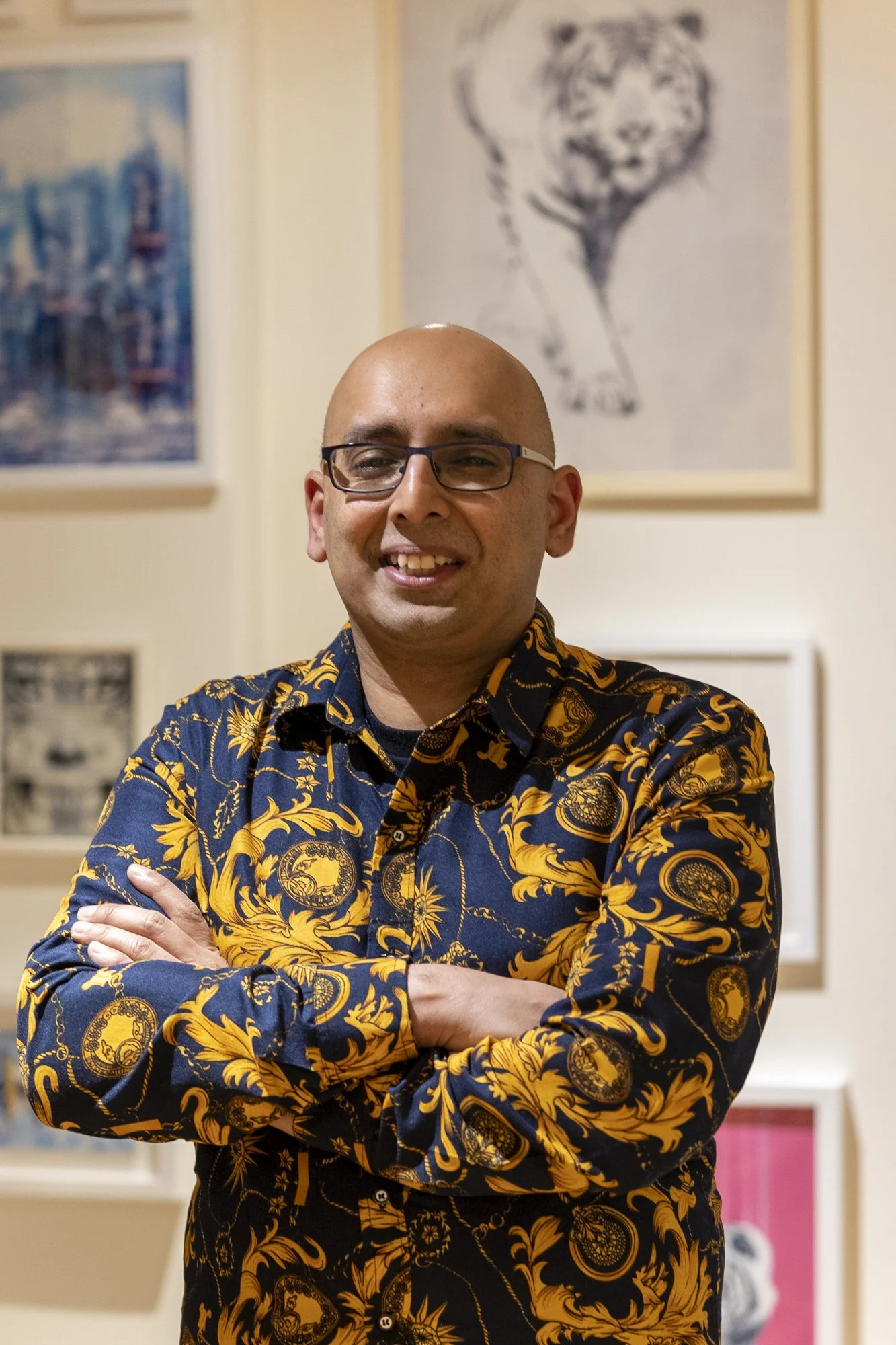
Tabish Khan
I can imagine that the role of a critic today has changed a lot. What would you say the real job of an art critic is in today's landscape?
I see myself as a guide, selecting the exhibitions I think people should go see. I will share my opinions, but ultimately it’s not my decision to tell people what art to engage with, nor should it be. I’m hoping my take on an exhibition serves as an additional tool to help people decide whether to visit it.
I came from a non-art background, graduating as a Biomedical Scientist and then pursuing a 15-year career in energy policy and regulation, while working as an art critic as a side hustle for the first 10 years, before finally becoming full-time around 3 years ago. Therefore, I want to reach those people who often feel overlooked by art or think that it’s not for them.
I found out about art through London Underground posters, and it’s a shame more people don’t feel like they can make that transition; most people I encounter in the arts had a lot of experience with the arts from childhood or a parent who worked in the arts. It’s why art is often seen as elitist, and anything I can do to break down those barriers is always a good thing.
It’s also important to note that most art critics aren’t paid very well; even one of the UK’s top art critics confessed to me that he doesn’t make the London Living Wage from criticism alone. It’s the main reason that there are very few critics of colour or critics from working-class backgrounds.
I can only do this job because I have the safety net of savings from my previous job, which also helped me get on the housing ladder. I don’t think it would have been possible to come to art criticism without my background, and that makes me fearful as to how future critics will be able to survive.
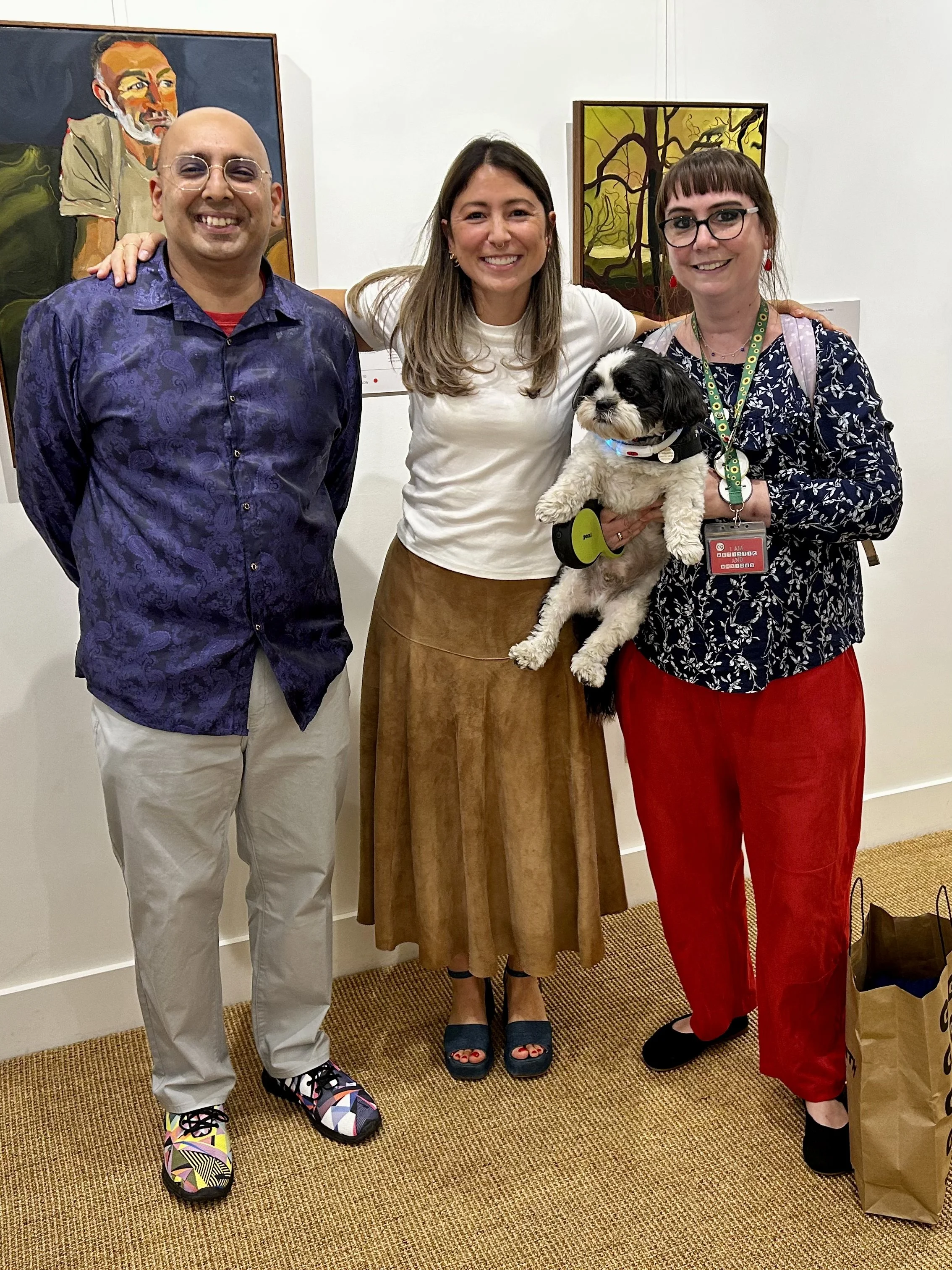
Tabish Khan with Courtney and Anna McNay on panel at Sworders London Gallery, 2026
How do you avoid mental fatigue or "gallery burnout" and ensure every piece gets a fair reaction?
I see a lot of art; the one year where I kept a tally, I topped out at 1,168 exhibitions.
Wow!
Gallery burnout, fair fatigue, art blindness - whatever you want to call it, it’s real. Even I have a limit, and when it hits, you just need to give up on trying to see any more.
I have to be very selective, and often, when I enter a show, I can make a quick call on whether anything in the art is engaging me, and then choose whether to engage more deeply or gloss over it. This may sound unfair to the art, but it’s the only way to make it work, and it’s what most people do at large art fairs.
I’m always open to having my mind changed, and something can catch my eye and change my mind when I’m halfway around a gallery. It also helps if the artist or a well-informed gallery assistant is there to answer any questions or clarifications I may have.
Different artworks also require varying levels of engagement. For example, a 30-minute film often requires a lot more brainpower to process, so if I encounter it at the end of an art-filled day, then it’s unlikely to grab me unless it’s truly compelling.
Art is highly subjective, so I won’t be so arrogant as to believe that factors such as whether I slept well last night, whether I’ve eaten and whether I know the artist will affect my experience with the art. All of these factors can have some sway, even down to being warmly welcomed into a gallery. It won’t make me love a work I dislike, but it can make the difference between choosing to write and post about it or not.
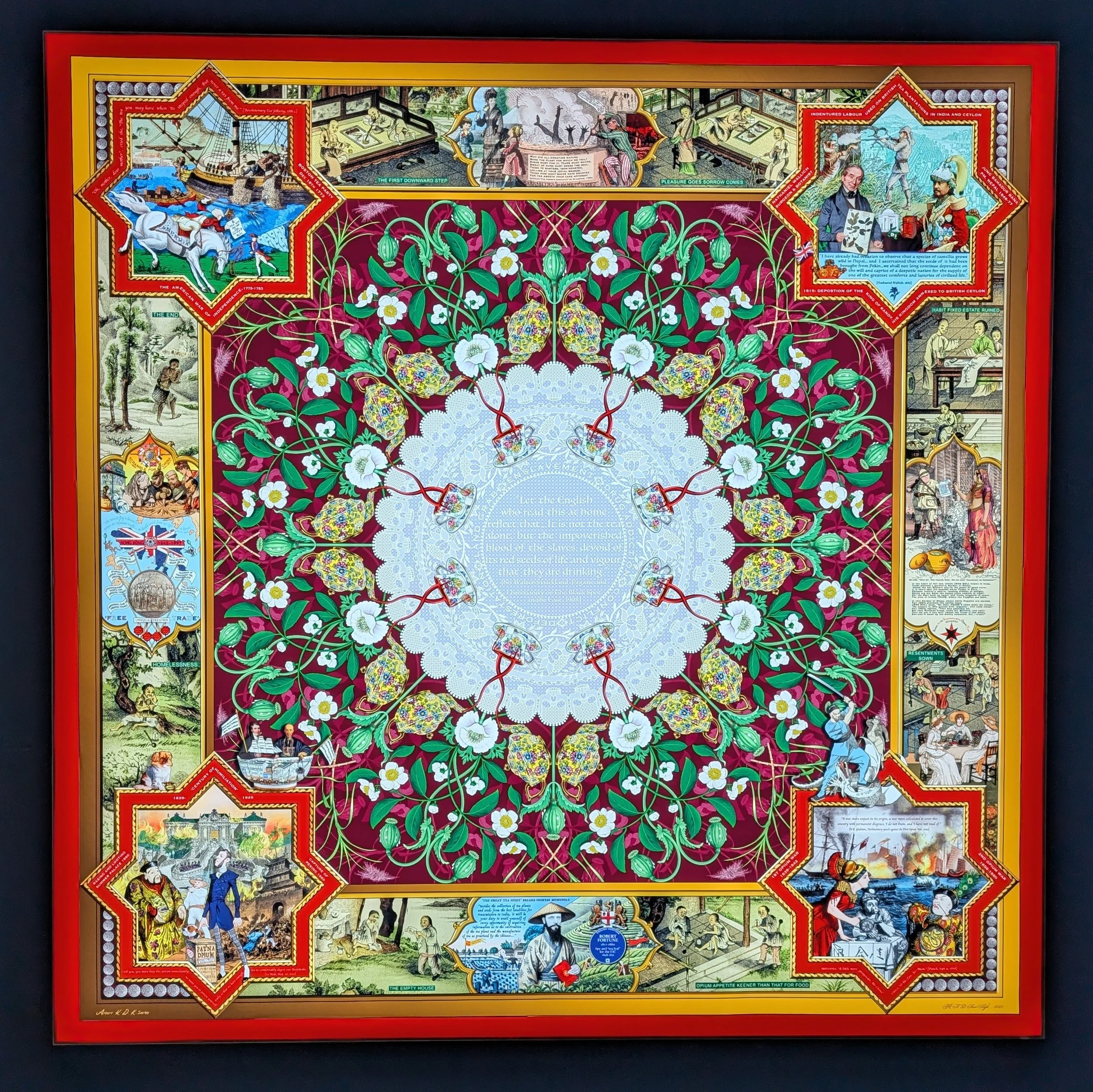
The Singh Twins, Dying for a Cuppa, 2025, digital mixed media lightbox
Do you have a first visual or emotional trigger when you walk into a gallery? What makes you stop in front of a piece?
It can be many things; sometimes it’s bright and eye-catching, other times it’s subtle, but the key is it has to make me want to know more about it and the ideas behind it. This applies whether it's figurative or abstract art, sculpture or photography.
All artists have ideas behind their work, but it’s the ones that can convey it to the viewer that really stand out for me; sometimes the ideas are simple, other times complex.
A great example would be the Singh Twins at Kew Gardens and their work, 'Dying for a cuppa'. It examines the history of the nation's favourite beverage, tea, and how it's linked to slavery, colonialism, and wars in China and the USA. There's a lot going on in the work, but it remains easy to follow thanks to a helpful text next to it.
Knowing the artist's practice beforehand always helps as you come in pre-warmed to their works. There are several artists with whom I didn’t connect the first or even the second time, but by revisiting their practice, I’ve come to understand and appreciate their work more.
It’s why persistence is often the key to success; the artists that keep plugging away are the ones most likely to succeed. It’s not a guarantee, but it ensures that an artist is constantly being seen by critics, curators and others who may then write about them or include them in a show.
How do you balance personal taste with an objective review?
Art is so subjective that you can never keep personal taste out of it. I try to be open to all types of work, but because of my background, I’m drawn to work that incorporates scientific elements and addresses the history of colonialism. It’s why it’s important that there’s greater diversity of critics, as each will have a different perspective on a work, and someone like me, with South Asian heritage, will, of course, have a different reading of a work by a South Asian artist or an artist who examines race and colonialism in their practice.
It is important to keep the reader in mind to ensure it’s not just about why I like it, but about what others may get out of it. I’m not suggesting I get that balance right every time, but it is important to always have that in the back of my mind.
Is there a specific art review you’ve written that sparked an unexpected debate or backlash?
Plenty, and I expect it. If you have the ego to state an opinion publicly, then you have to be willing to take the backlash. I’m always up for a healthy debate, though I draw a line when it becomes abusive, which has happened a few times, and I just delete those comments and move on.
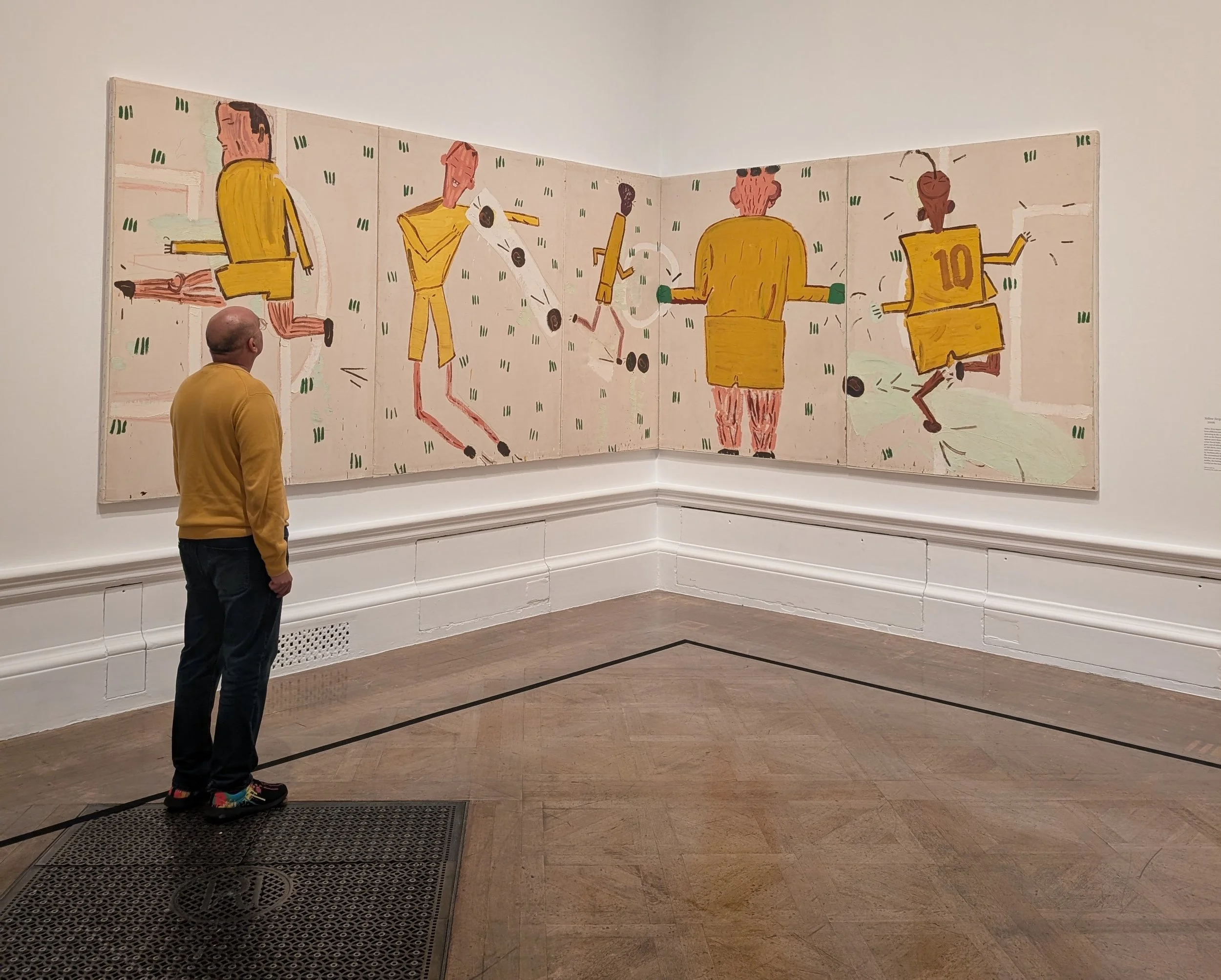
Rose Wylie exhibition at the Royal Academy of Arts, 2026
I once gave a one-star review to an exhibition by Tacita Dean, and my editor received a stern email of complaint referring to my writing as “out-of-touch, lazy, and reductionist”. I also spoke and wrote unfavourably about the Rose Wylie exhibition at the Royal Academy of Arts and the presentation of Robert Ryman’s work at the Barbican. Both generated lots of angry comments, and in both cases I was one of the few voices to say I thought these exhibitions were poor. In these circumstances, it’s important for my voice to be heard when I’m one of the only voices objecting to the consensus, much more so than joining a pile-on against an exhibition that everybody hates.
It does mean you have to be thick-skinned and resilient to handle such backlash. Most comments are fair counterarguments, but some commenters can become nasty, as people online feel emboldened to spew hateful and potentially hurtful comments.
I won’t put forward arguments I don’t believe in, but it is important to express my views, and it’s taken me a long time to feel comfortable doing so, especially when going up against the art establishment's views.
How has your definition of "great art" evolved since you first started writing about it?
I’m not sure I have a clear definition of what counts as great art, and I’m always re-evaluating my position. What a great exhibition can do is present an artist in a way that makes you appreciate their work, especially if you know little about them.
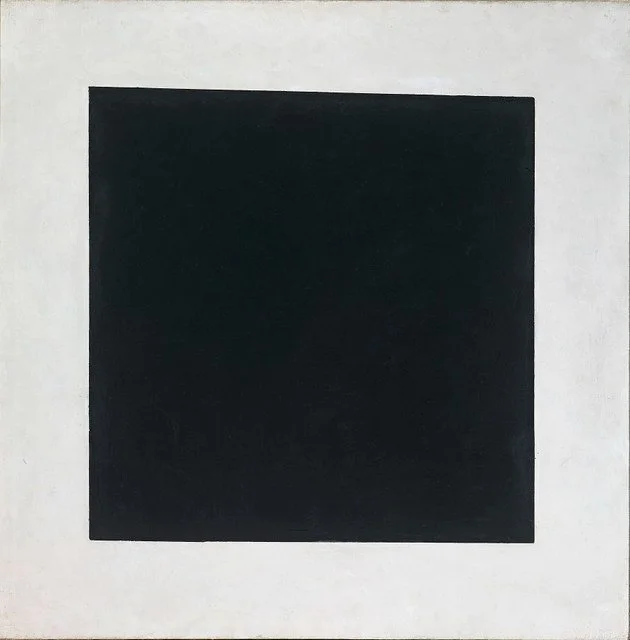
Kazimir Malevich, Black Square, 1915, oil on canvas
Tate Modern did a great job of this in their Malevich exhibition, famous for this painting of a black square. By guiding us through his evolution as an artist, Tate Modern took every visitor on a journey of how he arrived at the black square and why it matters in art history.
When an exhibition presents art-historical names, especially those that are more conceptual, and never bothers to explain why they matter so that the layperson can understand them, that’s what frustrates me. Sometimes I feel like certain exhibitions are made for those who have already studied art history, which risks excluding so many potential art lovers.
What is your framework for evaluating works from emerging artists versus established masters?
I apply different standards to institutional exhibitions versus those of emerging artists. A major museum show is fair game for critique if I think the exhibition isn’t up to scratch.
However, for exhibitions of emerging artists, I would rather not say anything if I don’t think the show is any good. My thinking is that I have a limited ability to write about all the shows I see, and I’d rather not tell people about an exhibition they hadn’t heard of only to tell them it’s not worth it. Critiquing an emerging artist also feels like stepping on a puppy, so I avoid it. I’d rather critique by omission than say something negative.
Explain how much research goes into a review.
My style of review is short and punchy, so I like to come cold to an exhibition, see what impact it has on me, and then base my review on that experience. It’s the approach that works for me, but I recognise it’s more effective for short-form reviews.
The only additional element is that I have to make sure I’ve got the names of works down correctly and that any attributions to the artist’s words or specific works of art are accurate.
However, if I’m writing a longer-form piece, interviewing the artist, writing a preview, or an essay for an artist’s catalogue, I’ll do my research online to learn as much as I can about them before starting.
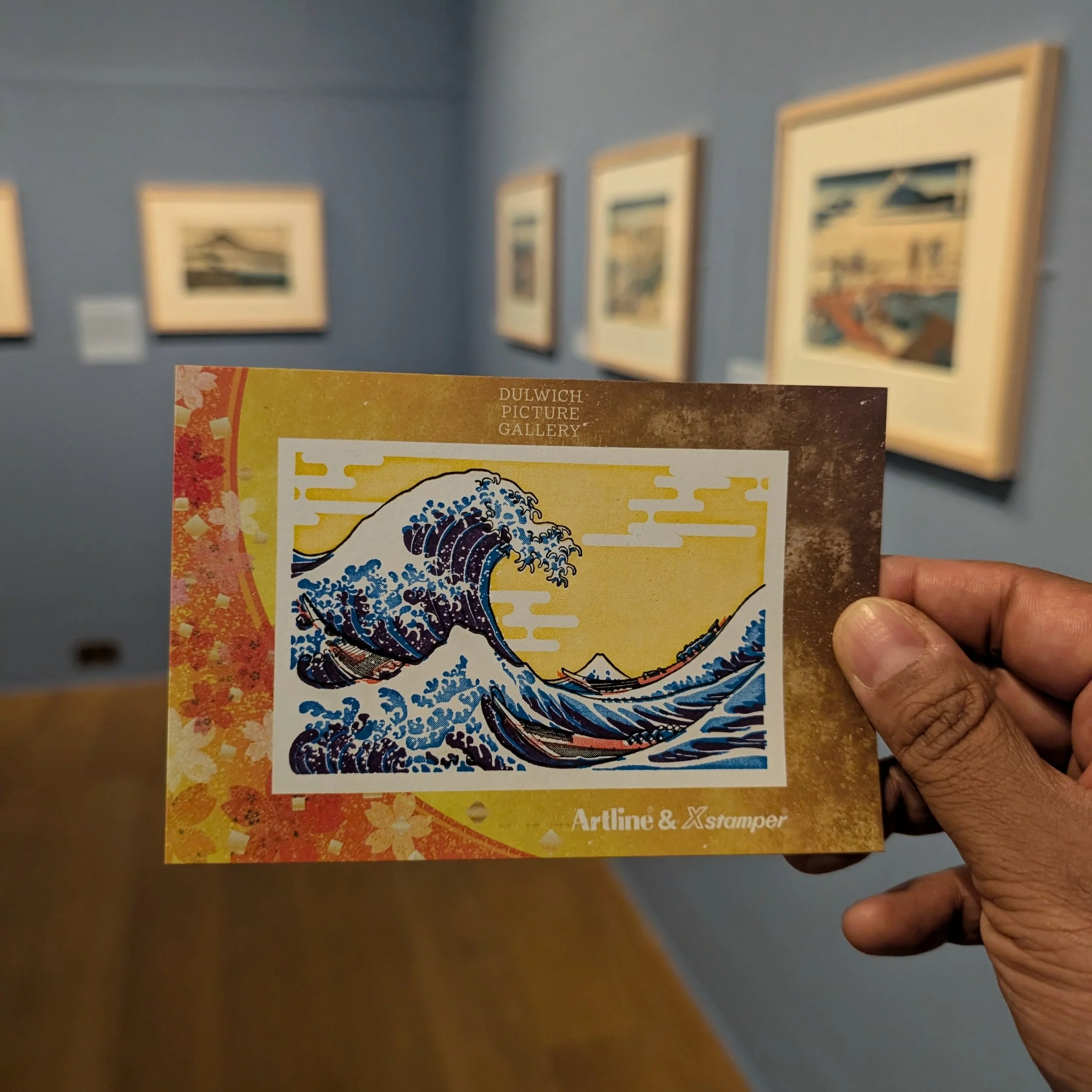
The Dulwich Picture Gallery's current Hokusai exhibition
You’re known for being passionate about making art accessible. Tell me a little about your feelings on this. Is it safe to assume that this is important to you because you entered the art world later in your career?
I came from a non-art background, and it’s shocking how few people engage with the arts, given how many free exhibitions there are in the UK, especially in London. It’s because many are scared to enter a gallery if they can’t afford the works or that it may not be for them; they often don’t realise they can walk in and just look around.
I’m fine with people trying to experience art in all its diversity and then finding the niche within art that works for them, but so few people have been exposed to the variety art has to offer. People may say ‘art is not for me’, but a similar statement about film would be ridiculous: sure, horror or rom-coms may not be for you, but surely there are some films you like, and art is arguably even more diverse than film.
My biggest frustration is often with exhibitions that don’t welcome any curious visitor in; I remember a raging review I wrote about an exhibition on conceptual art at Tate Britain. It was full of artspeak, and my concern was that someone who might want to learn about conceptual art would wander in, be quickly confounded by the language, and decide conceptual art isn’t for them. There may be complex ideas within art, but the skill of making it accessible is what we need more of.
Sadly, art is seen as elitist, and it doesn’t have to be.
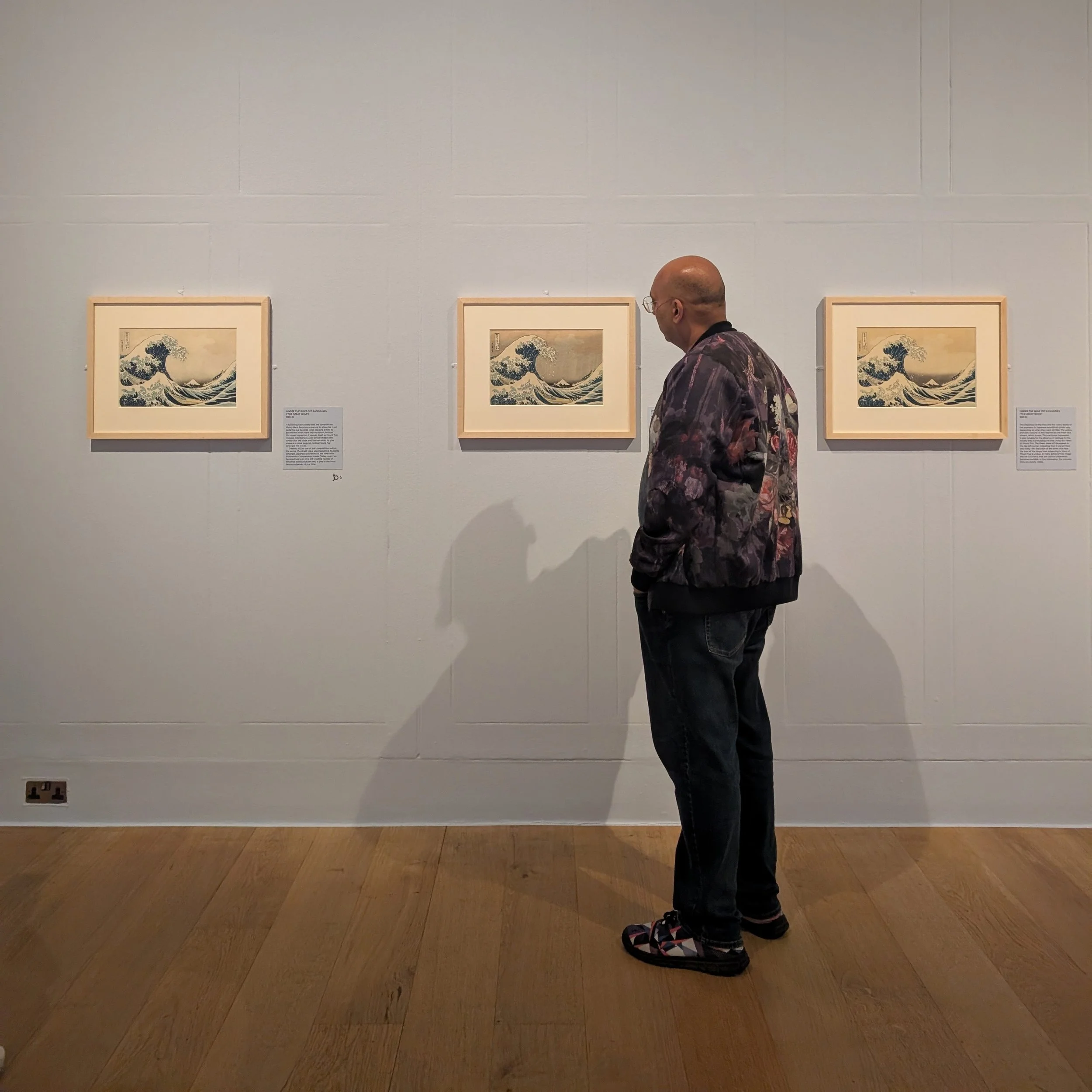
The Dulwich Picture Gallery's current Hokusai exhibition is a great example of taking one of the world's best known series of works, his 36 views of Mount Fuji, and placing it within its historical context. It also explains how woodblock printing is built up and even lets you make your own in the final room, and take it away with you.
How is the rise of social media impacting the relevance and format of traditional art criticism?
There are many downsides to social media, but I owe it my career, which started on Twitter before moving on to Instagram. Most of the publications I write for wouldn’t have survived if it weren’t for social media.
It’s also opened up the world to new critics, and while the world of criticism is still often a case of who you know, some writers even went to the same boarding schools, social media has democratised that to some extent. It’s allowed new voices, with more diverse backgrounds and heritages.
Some journalists still look down upon it, largely because it’s had a massive impact on the field of journalism, but it’s here to stay and has its place alongside longer-form writing and criticism.
More people recognise me from my social media handle than my actual name; it brings in some revenue for me, and it’s an important part of my output. One downside is that it’s constantly changing what the algorithm is geared towards, and we’re now seeing a push for more talking-to-camera videos, which I’m trying to embrace.
Thank you Mr London Art Critic.